International e-commerce is growing fast. Because of this growth, online brands can now reach customers all around the world. However, shipping products across borders is not always easy. Merchants must balance fast delivery times with low shipping rates and customs fees.
To succeed, you need the right fulfillment strategy. Most online retailers choose between bonded warehouses and direct Direct-to-Consumer (D2C) shipping. Here is how both options work and how to pick the best one for your store.
What is a Bonded Warehouse?
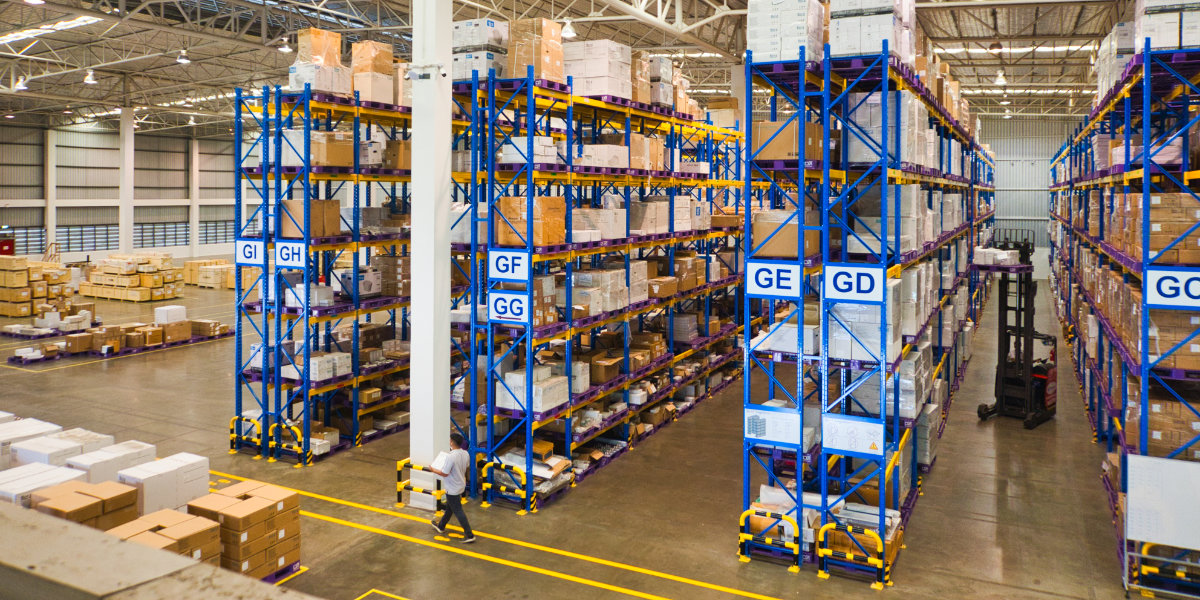
A bonded warehouse is a secure storage facility. Government customs authorities regulate these buildings. You can store,inspect, and package imported goods inside without paying immediate customs duties. You only pay taxes once your items leave the warehouse for final delivery.
Key Benefits of Bonded Warehouses
- Faster Local Shipping: Storing items near your target audience dramatically speeds up delivery times.
- Better Cash Flow: You do not pay import taxes upfront. Instead, you pay taxes only when an order is completed.
- Lower Freight Costs: Bulk shipping to a single warehouse is much cheaper than shipping single parcels.
Best for: Established e-commerce brands with high and predictable sales volume in specific regions.
What is Direct D2C Shipping?
With direct D2C shipping, you do not store products locally in another country. Instead, you fulfill each order directly from your main home warehouse. Once a customer buys an item online, you ship it straight to their door using international express or air freight networks.
Key Benefits of Direct D2C Shipping
- Zero Inventory Risk: You do not need to hold stock in multiple countries. Therefore, you will not end up with unsold stock overseas.
- Lower Upfront Expenses: You avoid local warehousing contracts and setup costs.
- Easy Product Testing: You can test new products in international markets without making big inventory commitments.
Best for: Startups, niche online stores, or sellers with a wide range of low-volume products.
How to Choose the Right Logistics Strategy
Selecting the right strategy depends on your business size and sales velocity.
Many fast-growing online brands actually use a hybrid model. They ship low-volume items via direct D2C express networks. At the same time, they stock top-selling products in regional bonded warehouses for fast local delivery.
Navigating customs regulations and inventory management can be challenging. Partnering with an experienced global logistics provider like Best Global Logistics ensures your supply chain stays efficient, compliant, and cost-effective as you expand worldwide.