


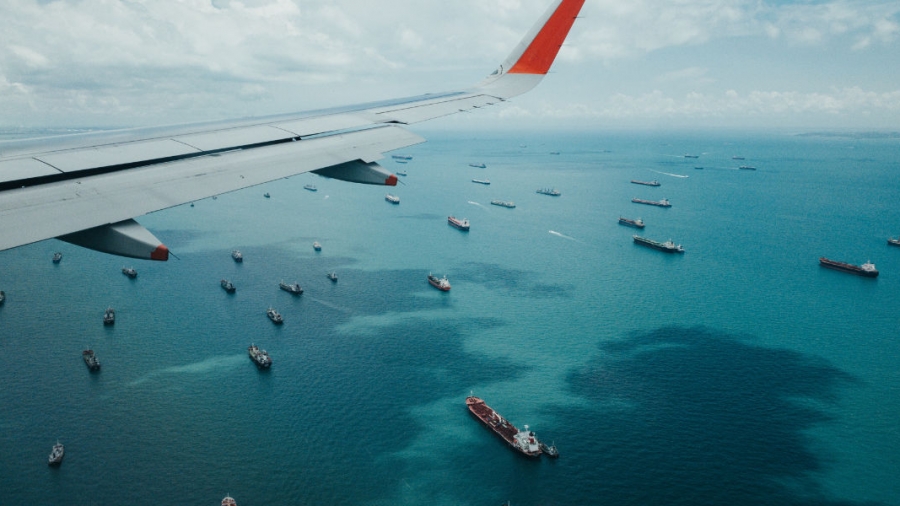
Over the past decade, Southeast Asia has emerged as one of the most dynamic regions in global trade. With a combined population of more than 650 million people and rapidly expanding economies, the region is becoming a critical hub for manufacturing, e-commerce, and international logistics.
For businesses looking to optimize their supply chains, Southeast Asia presents enormous opportunities—but also unique challenges.
The Shift in Global Supply Chains
Many companies are diversifying their manufacturing and sourcing operations away from single-country dependency. This shift—often referred to as the “China+1” strategy—has led companies to expand operations into countries such as Thailand, Vietnam, Malaysia, and Indonesia.
As production spreads across multiple locations, the demand for reliable logistics partners increases significantly.
Efficient logistics services are essential to manage:
- Multi-country sourcing
- Cross-border transportation
- Customs compliance
- Inventory distribution
A well-structured supply chain allows businesses to move goods quickly between production centers, warehouses, and global markets.
Thailand’s Strategic Logistics Advantage
Thailand is uniquely positioned as a logistics gateway for Southeast Asia.
The country offers:
- Access to major shipping lanes in Asia
- Modern ports such as Laem Chabang
- A strong road network linking neighboring countries
- Free trade agreements with many global markets
Additionally, Thailand’s central location allows companies to distribute goods efficiently throughout ASEAN.
This strategic position makes Thailand a key logistics hub for companies expanding into regional markets.
Growth of Regional Distribution Centers
Many global companies are establishing regional distribution centers (RDCs) in Southeast Asia to serve multiple markets from a single location.
These distribution centers help businesses:
- Reduce shipping costs
- Improve delivery times
- Manage inventory more efficiently
- Respond faster to demand changes
For example, a warehouse in Thailand can distribute goods to Cambodia, Laos, Vietnam, and Malaysia within a short transit time.
This flexibility is essential for industries such as electronics, automotive parts, and consumer goods.
The Role of Professional Logistics Providers
As supply chains grow more complex, professional logistics providers play a critical role in managing operations efficiently.
A modern logistics partner can help businesses with:
- International freight forwarding
- Customs clearance and compliance
- Warehousing and distribution
- Supply chain optimization
By working with experienced logistics specialists, companies can focus on their core business while ensuring their supply chains operate smoothly.
Technology Is Transforming Logistics
Digital transformation is another key factor driving the growth of logistics in Southeast Asia.
Technologies such as:
- Warehouse Management Systems (WMS)
- Cargo tracking platforms
- Supply chain analytics
- Automated inventory management
allow companies to gain greater visibility and control over their operations.
Real-time tracking and data analysis also help businesses anticipate delays and optimize routes.
Preparing for Future Growth
Southeast Asia’s logistics sector is expected to grow significantly over the next decade. Rising consumer demand, expanding manufacturing, and increasing international trade will continue to drive logistics innovation.
Companies that invest in efficient supply chain strategies today will be well positioned to compete in tomorrow’s global marketplace.
Partnering with experienced logistics providers ensures businesses can navigate the complexities of regional trade while taking advantage of Southeast Asia’s growing opportunities.