


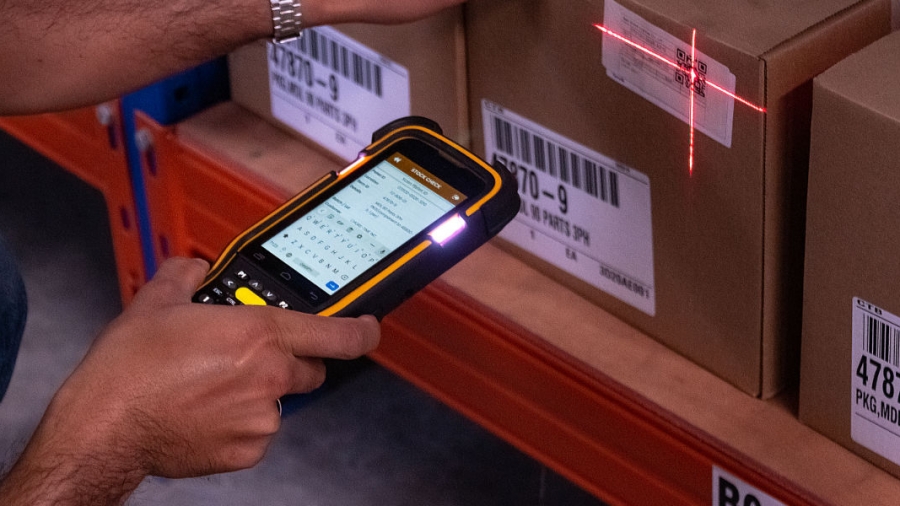
The rapid growth of e-commerce is reshaping the logistics industry across Southeast Asia. With millions of consumers now shopping online daily, businesses are facing increasing pressure to deliver products faster, more efficiently, and at lower costs.
For logistics providers and businesses alike, adapting to this new landscape is no longer optional—it is essential for staying competitive.
The Rise of E-Commerce in Southeast Asia
Southeast Asia has become one of the fastest-growing e-commerce markets in the world. Countries such as Thailand, Vietnam, Indonesia, and the Philippines are experiencing significant increases in online shopping.
Several factors are driving this growth:
- Increased smartphone usage
- Expanding internet access
- Growth of digital payment systems
- Changing consumer behavior
Consumers now expect convenience, speed, and reliability when ordering products online.
Changing Customer Expectations
E-commerce has fundamentally changed what customers expect from logistics services.
Today’s consumers demand:
- Fast delivery (same-day or next-day)
- Real-time tracking updates
- Flexible delivery options
- Easy returns and exchanges
Meeting these expectations requires businesses to rethink their logistics strategies and invest in more efficient operations.
The Importance of Last-Mile Delivery
Last-mile delivery—the final step of the delivery process—is one of the most critical and challenging aspects of e-commerce logistics.
This stage often accounts for a significant portion of total shipping costs.
Challenges in last-mile delivery include:
- Traffic congestion in urban areas
- Complex delivery routes
- Failed delivery attempts
- High customer expectations
To overcome these challenges, companies are adopting innovative solutions such as route optimization software, local distribution hubs, and flexible delivery scheduling.
The Role of Warehousing and Fulfillment Centers
Efficient warehousing plays a key role in supporting e-commerce operations.
Modern fulfillment centers are designed to handle:
- High order volumes
- Fast picking and packing processes
- Inventory accuracy
- Quick dispatch times
Strategically located warehouses allow businesses to store products closer to customers, reducing delivery times and transportation costs.
Technology Driving Logistics Innovation
Technology is at the heart of e-commerce logistics transformation.
Key innovations include:
- Warehouse Management Systems (WMS)
- Transportation Management Systems (TMS)
- Automated sorting and packing systems
- Real-time tracking platforms
These technologies help businesses improve efficiency, reduce errors, and enhance overall customer experience.
Cross-Border E-Commerce Opportunities
Cross-border e-commerce is another major growth area in Southeast Asia.
Consumers are increasingly purchasing products from international sellers, creating new opportunities for businesses to expand into regional markets.
However, cross-border logistics comes with challenges such as:
- Customs regulations
- Import duties and taxes
- Longer transit times
- Documentation requirements
Working with experienced logistics providers helps businesses navigate these complexities and ensure smooth international deliveries.
Building a Scalable Logistics Strategy
As e-commerce continues to grow, businesses must develop scalable logistics strategies that can adapt to changing demand.
This includes:
- Partnering with reliable logistics providers
- Investing in technology and automation
- Optimizing warehouse locations
- Improving delivery networks
A strong logistics foundation enables businesses to handle peak seasons, expand into new markets, and maintain customer satisfaction.
Preparing for the Future of E-Commerce Logistics
The future of logistics in Southeast Asia will be shaped by continued e-commerce growth, technological innovation, and evolving consumer expectations.
Companies that embrace these changes and invest in efficient logistics solutions will be better positioned for long-term success.
By building flexible, technology-driven supply chains, businesses can turn logistics into a competitive advantage in the fast-growing world of e-commerce.