Shipping Dangerous Goods (DG) requires absolute precision. From lithium batteries fueling the electric vehicle revolution to industrial chemicals and pharmaceuticals, hazardous materials demand rigorous compliance to ensure safety across the supply chain.
The 9 Classes of Dangerous Goods
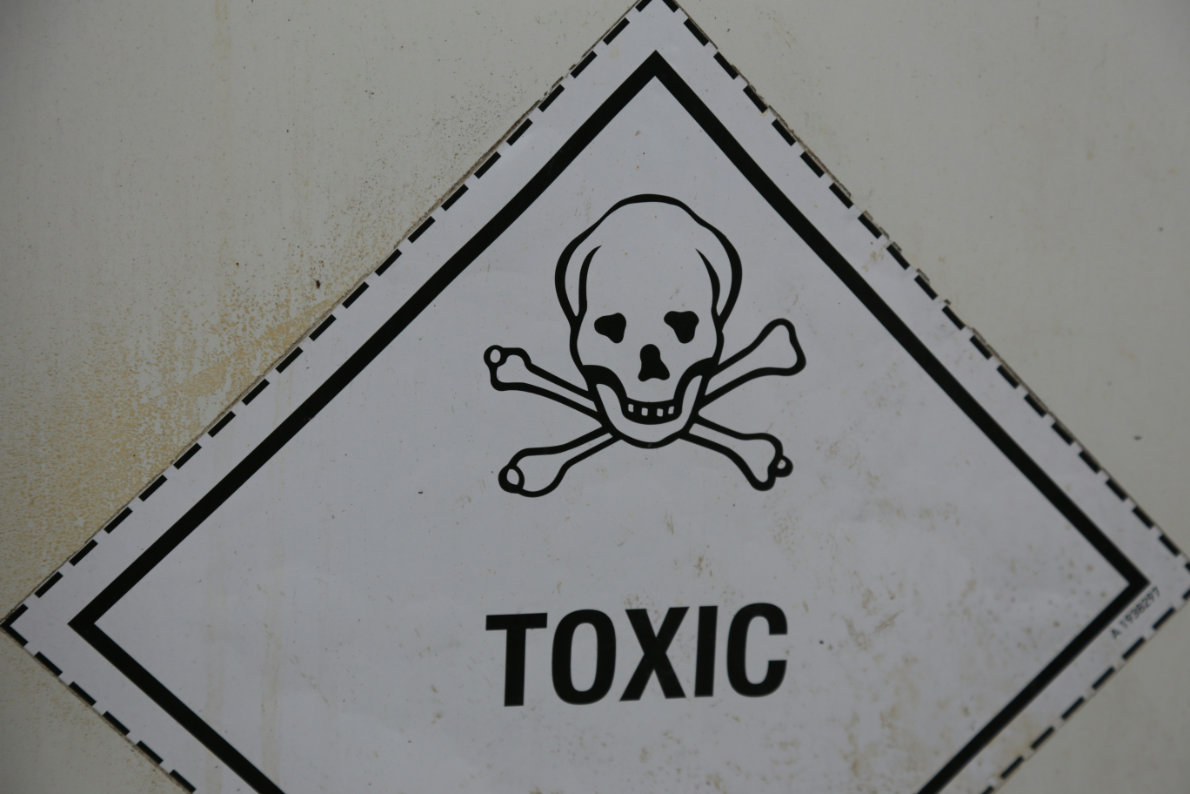
International regulatory bodies, including IATA (for air) and the IMO (for sea), categorize hazardous freight into nine distinct classes. Common categories handled by expert freight forwarders include:
- Class 3: Flammable Liquids (e.g., fuels, paints)
- Class 8: Corrosive Substances (e.g., batteries, acids)
- Class 9: Miscellaneous (e.g., lithium-ion batteries, dry ice)
Best Practices for DG Freight Forwarding
- Accurate Classification and UN Numbering: Every product must be correctly identified with its specific United Nations (UN) number and Proper Shipping Name (PSN).
- Specialized Packaging: DG cargo must be packed using UN-certified materials that can withstand pressure changes, temperature fluctuations, and impact.
- Flawless Documentation: A Shipper’s Declaration for Dangerous Goods (DGD) must be completed perfectly; even a minor typo can result in customs rejection or carrier refusal. Partnering with a 3PL certified in handling dangerous goods ensures that your hazardous cargo moves safely, legally, and without costly border delays.